• Skip to main content
  • Skip to secondary menu
  • Skip to footer

Technologies.org

Technology Trends: Follow the Money

  • Technology Events 2025-2026
  • Sponsored Post
    • Make a Contribution
  • Technology Jobs
  • Technology Markets
  • About
    • GDPR
  • Contact

Hydrogen Technology: The Key to a Sustainable Future for the Cruise and Shipping Industries

May 18, 2023 By admin Leave a Comment

The cruise and shipping industries are significant contributors to greenhouse gas emissions, with the cruise industry alone emitting 1.1 billion tons of CO2 in 2018, accounting for 2% of global emissions. Similarly, the shipping industry emitted 940 million tons of CO2 in the same year, representing 2.4% of global emissions. These emissions not only contribute to climate change but also heavily impact air quality in coastal cities. To combat this issue, the cruise and shipping industries are actively exploring hydrogen technology as a potential solution.
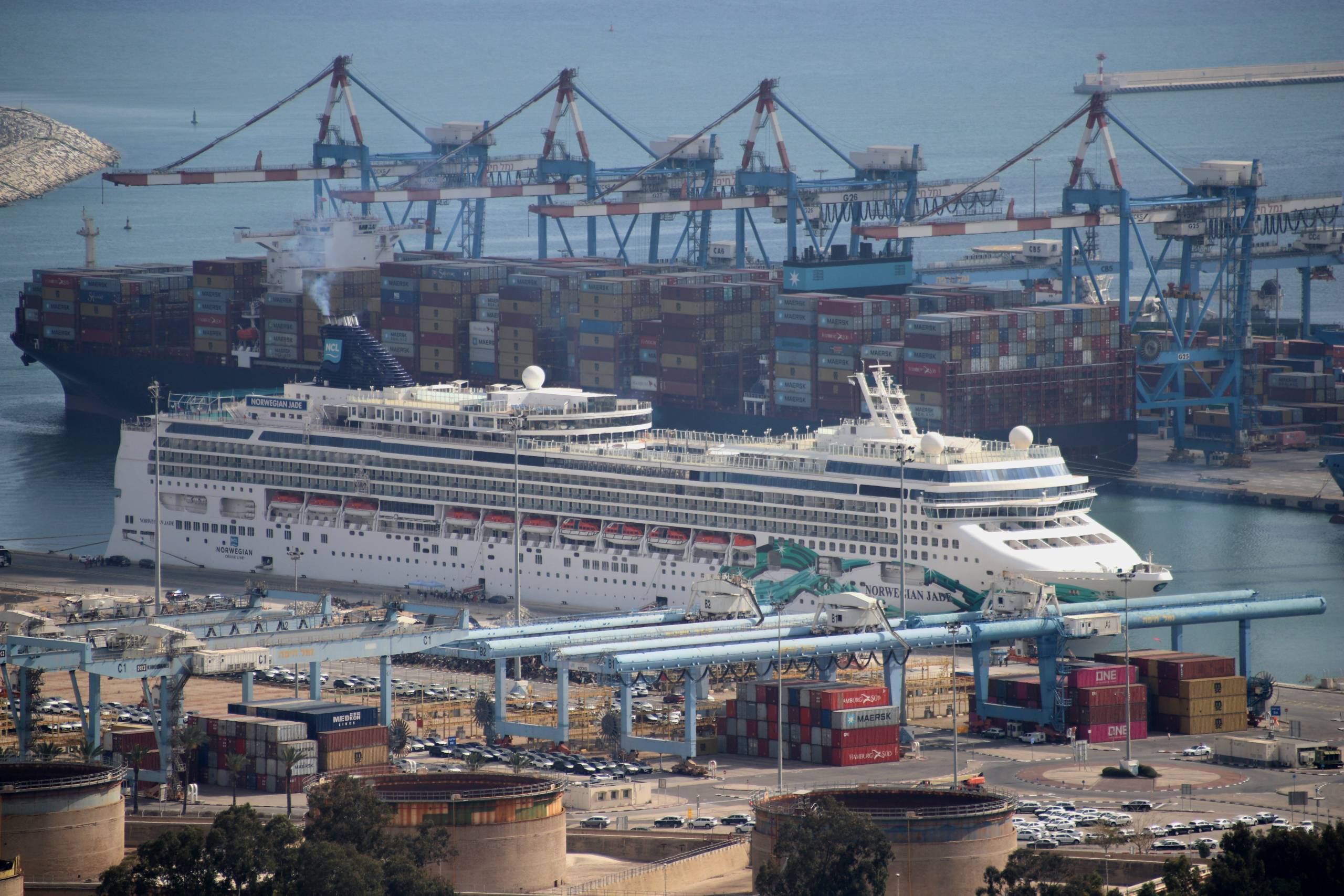
Hydrogen Technology: The Key to a Sustainable Future for the Cruise and Shipping Industries

Hydrogen is a clean and renewable fuel that shows promise for powering ships and cruise liners. When burned, hydrogen produces zero emissions, and it can be derived from various renewable sources, such as solar and wind power. However, several challenges must be overcome before hydrogen can be widely adopted by these industries.

One major challenge is the cost associated with hydrogen fuel cells. Currently, hydrogen fuel cells remain relatively expensive. Nonetheless, it is anticipated that as the technology advances and becomes more mature, the cost will decrease.

Additionally, the lack of infrastructure for hydrogen fuelling poses a significant obstacle. The number of hydrogen fuelling stations worldwide is quite limited, which hinders the widespread adoption of hydrogen fuel cells in the cruise and shipping industries.

Despite these challenges, there is a growing interest in hydrogen technology as a viable solution for the cruise and shipping sectors. Various companies are actively developing hydrogen-powered ships, and a global network of hydrogen fuelling stations is gradually being established.

As the cost of hydrogen fuel cells decreases and the infrastructure for hydrogen fuelling improves, hydrogen is expected to play a significant role in the cruise and shipping industries. Its adoption could result in substantial emission reductions, fostering a more sustainable future for these sectors.

Some of the benefits associated with hydrogen technology in the cruise and shipping industries include:

Clean and renewable fuel: Hydrogen is an environmentally friendly fuel that generates zero emissions when burned.

Diverse renewable sources: Hydrogen can be produced from a wide range of renewable sources, such as solar and wind power, ensuring a sustainable energy supply.

Increasing efficiency and cost-effectiveness: Hydrogen fuel cells are becoming more efficient and cost-effective, making them a more attractive option for the cruise and shipping industries.

Expanding infrastructure: The development of hydrogen fuelling infrastructure worldwide is gradually progressing, facilitating the adoption of hydrogen fuel cells in these industries.

The use of hydrogen technology in the cruise and shipping industries could lead to numerous positive impacts, including:

Reduced greenhouse gas emissions: By replacing traditional fossil fuel-based propulsion systems, hydrogen technology can significantly decrease greenhouse gas emissions from these industries.

Improved air quality: The transition to hydrogen-based power can greatly reduce the air pollution caused by cruise ships and shipping vessels, benefiting coastal cities and communities.

Increased energy security: Diversifying the energy sources in the cruise and shipping sectors by incorporating hydrogen technology enhances energy security, reducing dependence on finite fossil fuel resources.

New job opportunities and economic growth: The adoption of hydrogen technology in these industries can stimulate the creation of new jobs and foster economic growth associated with the production, distribution, and maintenance of hydrogen-powered ships and related infrastructure.

The cruise and shipping industries are major contributors to greenhouse gas emissions and air pollution in coastal cities. However, hydrogen technology holds great potential for significantly reducing emissions and making these industries more sustainable. Despite existing challenges, the declining cost of hydrogen fuel cells and the development of infrastructure are paving the way for hydrogen to become a prominent player in the cruise and shipping sectors, leading to a cleaner and more environmentally friendly future.

Filed Under: News Tagged With: hydrogen

Reader Interactions

Leave a Reply Cancel reply

Your email address will not be published. Required fields are marked *

Footer

Recent Posts

  • Smartoptics Joins the IOWN Global Forum
  • EdgeCortix Raises Over $110M in Oversubscribed Series B, Signaling Rising Confidence in Energy-Efficient Edge AI
  • Workday Completes Acquisition of Sana: Building the AI Front Door for Work
  • Microsoft and IREN Ink $9.7 Billion AI Cloud Infrastructure Deal
  • Voltai Raises CAD $1.83M Pre-Seed to Pioneer Harvesting Kinetic Energy from Ocean Waves and Ship Movement
  • Oklo Selected by DOE for Advanced Nuclear Fuel Line Pilot Projects, Expands U.S. Nuclear Supply Chain
  • Cyvl Raises $14M to Build the Infrastructure Intelligence Layer for America
  • Circuitry.ai Raises Seed Funding to Lead in Decision Intelligence
  • Scorability Secures $40 Million to Redefine College Sports Recruiting
  • Kion Launches MCP Server and FinOps+ 3.14 for Unified Multicloud Cost Intelligence

Media Partners

  • Market Analysis
  • Cybersecurity Market
The AI Supercycle Has Barely Begun
Why the Canon R8 Paired With the New RF 45mm f/1.2 Lens Quietly Becomes the Content Creator’s Sweet-Spot
IndustrialMind.ai and the Rise of the “AI Engineer” on the Factory Floor
Nvidia’s $1 Billion Stake in Nokia: Can AI Revive Western Telecom Competitiveness Against China?
Cloudflare and the Next Blue Oceans: Where the Edge Goes From Here
How Huawei Surpassed U.S. and European Rivals in Wi-Fi, Chips, and Routers
China’s Ban on BHP Iron Ore Imports: Strategic Leverage or Economic Miscalculation?
Chips, Tariffs, and Sovereignty: The Three-Front Trade War
AI Super-Cycle And The Tug-Of-War For 2026 Margins
Nvidia, OpenAI, and the AI Bubble Debate
Fal.Con 2026, August 31 – September 3, 2026, Las Vegas
CyberArk: Identity Security Strength Meets Strategic Inflection
The Breach That Reached the Budget Books
IGEL Now & Next 2025, Frankfurt, Germany
NETSCOUT: A Quiet Execution Story Strengthening Its Position in Observability and Cyber Defense
Check Point Earns Top Marks in NSS Labs 2025 Firewall Report
Armis Raises $435M Pre-IPO, Valuation Hits $6.1B
Malanta Raises $10M to Stop Attacks Before They Happen
Wayfinder by SentinelOne: A Step Toward Human + AI Defense
M&S: Profits Nearly Wiped Out After Cyber Attack

Media Partners

  • Market Research Media
  • Technology Conferences
The Trade Desk: Durable Growth, Wider Moats, and a Faster Flywheel on the Open Internet
Expedia Group: Reacceleration in Core Travel Demand and Strong B2B Tailwinds Push Results Above Expectations
BuzzFeed, Inc. – Q3 2025 Analytical Report
The Rise of the Micro-Series Phenomenon
Canva’s Creative Operating System: A Strategic Shockwave for the Design Industry
The End of the Traffic Economy? What’s Next for Small E-Commerce
Adobe’s Missed Turn: Why Not Buying Wix or Weebly Left a Gap
A 100% Tariff on Foreign Films: A Self-Inflicted Wound
China’s Nvidia Probe Is a TikTok Hostage Situation
Mistral AI: Europe’s Rising $14 Billion AI Powerhouse
SPIE Photonics West 2026, January 17–22, San Francisco
Gurobi Decision Intelligence Summit, October 28–29, 2025, Vienna
MIT Sloan CFO Summit, November 20, 2025, Cambridge
Roblox Expands the Future of Creation at RDC 2025
Apple Announces WWDC25, June 9 to 13, 2025
Adobe Summit 2025, March 17-20, Las Vegas
Embedded World 2025, from 11 to 13 March 2025 in Nuremberg
SATELLITE 2025: Uniting the Global Satellite and Space Communities
The milestone 10th edition of Chatbot Summit on March 31 – April 1, 2025, The Ritz-Carlton, Berlin
Snowflake Summit 2025, scheduled for June 2-5, 2025, in San Francisco

Copyright © 2022 Technologies.org

Media Partners: Market Analysis & Market Research and Exclusive Domains